Are You Making This Common Contractor Mistake That’s Draining Profits?
In the competitive painting industry, maintaining healthy profit margins is crucial for business sustainability. However, many contractors unknowingly commit a critical error that significantly erodes their profits: underestimating job costs. This oversight can lead to underpricing services, resulting in financial strain and operational challenges.
Understanding the Impact of Underestimating Job Costs
Underestimating job costs is a prevalent issue among painting contractors. This mistake often stems from a lack of comprehensive cost analysis, leading to bids that fail to cover actual expenses. The consequences include reduced profit margins, cash flow problems, and an inability to invest in business growth.
Common Areas Where Costs Are Underestimated
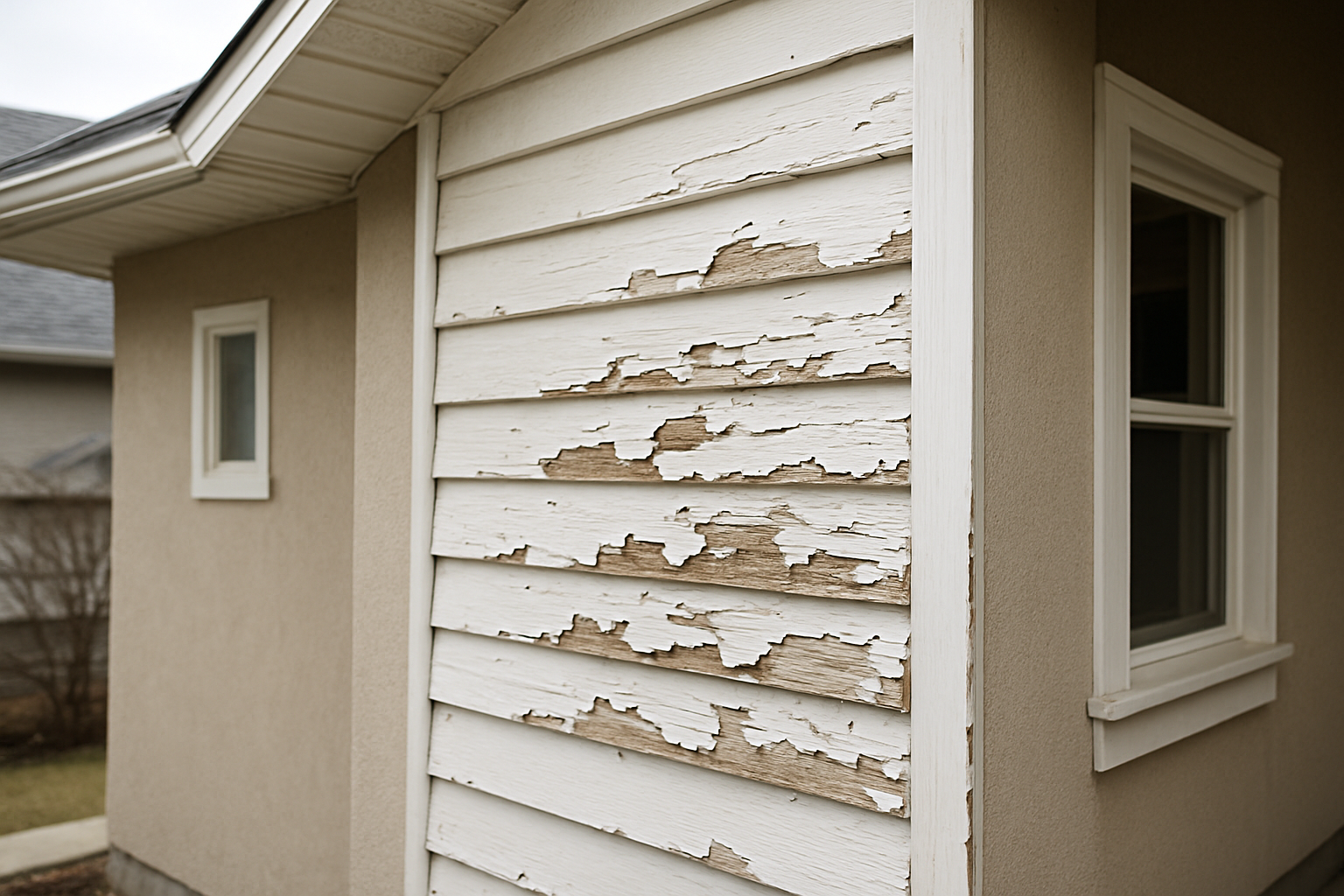
- Preparation Work: Tasks such as scraping, sanding, and priming are labor-intensive and time-consuming. Failing to accurately estimate the time and materials required for these tasks can lead to significant profit losses. [1]
- Material Costs: Fluctuations in material prices can impact project costs. Relying on outdated pricing information without verifying current rates can result in underpriced bids. [1]
- Labor Expenses: Not accounting for the full cost of labor, including wages, benefits, and taxes, can lead to underpricing. It’s essential to calculate the fully loaded labor rate to ensure all expenses are covered. [2]
- Overhead Costs: Overlooking indirect costs such as insurance, equipment maintenance, and administrative expenses can result in bids that don’t reflect the true cost of doing business. [3]
Strategies to Avoid Underestimating Job Costs
To prevent underestimating job costs, consider implementing the following strategies:
Develop a Standardized Estimating Process
Creating a consistent method for estimating projects helps ensure all cost factors are considered. This process should include detailed assessments of labor, materials, overhead, and potential contingencies.
Utilize Professional Estimating Software
Investing in reliable estimating software can enhance accuracy and efficiency. These tools can help track actual versus estimated costs, leading to more precise bids. [4]
Regularly Update Material and Labor Costs
Stay informed about current market rates for materials and labor. Regularly updating your cost database ensures that your estimates reflect the latest pricing information.
Include a Contingency Buffer
Incorporate a contingency buffer into your estimates to account for unforeseen expenses. This practice helps protect profit margins from unexpected costs.
Local Considerations for Saskatoon Contractors
Contractors in Saskatoon should be aware of local factors that can influence job costs:
- Seasonal Variations: Saskatoon’s climate can affect project timelines and costs. For example, colder months may require additional preparation and materials to ensure quality results.
- Local Regulations: Stay updated on municipal regulations and building codes that may impact project requirements and costs.
- Material Availability: Supply chain issues can affect the availability and pricing of materials. Establish relationships with local suppliers to stay informed about potential disruptions.
Key Takeaways
- Underestimating job costs is a common mistake that can significantly drain profits.
- Accurate estimation requires considering all aspects of a project, including preparation work, material costs, labor expenses, and overhead.
- Implementing standardized estimating processes and utilizing professional software can enhance accuracy.
- Regularly updating cost information and including contingency buffers help protect profit margins.
- Saskatoon contractors should account for local factors such as seasonal variations, regulations, and material availability.
By addressing the issue of underestimating job costs, painting contractors can improve their profitability and ensure the long-term success of their businesses.
While we aim for accuracy, please verify details for your specific situation. For personalized advice and to discuss how these insights apply to your specific needs, we’d love to chat with you directly.