Preventing Stucco Spalling: How We Protect Saskatoon Homes from the Freeze-Thaw Cycle
Stucco is a popular exterior finish in Saskatoon, valued for its durability and aesthetic appeal. However, the region’s harsh winter climate poses significant challenges, particularly the freeze-thaw cycle, which can lead to stucco spalling. Understanding and mitigating these effects are crucial for maintaining the integrity and appearance of stucco-clad homes.
Understanding Stucco Spalling and the Freeze-Thaw Cycle
Stucco spalling refers to the chipping or flaking of the stucco surface, often resulting from moisture infiltration and subsequent freeze-thaw cycles. In Saskatoon’s climate, temperatures frequently fluctuate around the freezing point, causing water absorbed by stucco to freeze and expand, leading to internal pressure and eventual surface damage.
Key Strategies to Prevent Stucco Spalling
1. Regular Sealing with Breathable Sealants
Applying a breathable, water-repellent sealant is one of the most effective ways to guard against moisture penetration. Unlike paint, which can trap water beneath the surface, modern stucco sealants allow vapor to escape while blocking rain and snow from entering. Sealing your stucco every few years builds a strong barrier against freeze-thaw stress. Source
2. Prompt Repair of Cracks and Damage
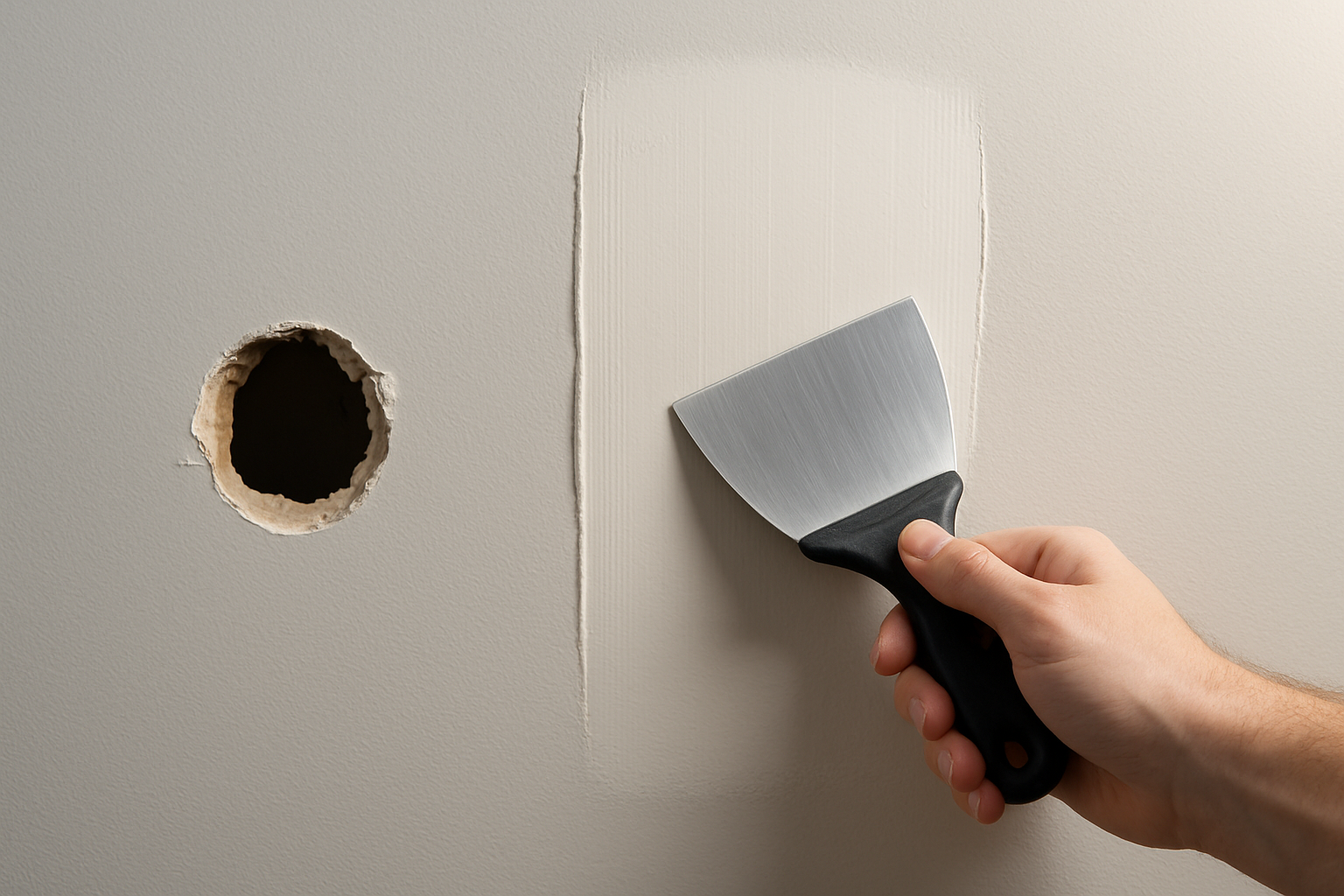
Even tiny cracks act as gateways for water. Once moisture slips in, it can spread quickly, making the wall vulnerable to freeze-thaw cycles. Conduct seasonal inspections, especially in the fall before winter sets in. Patching small cracks with the right stucco repair materials prevents them from becoming costly structural issues later on. Source
3. Ensuring Proper Drainage Systems
Water pooling near stucco walls is one of the biggest threats during winter. Gutters, downspouts, and proper grading should channel water away from your foundation and walls. Installing splash blocks or extensions for downspouts ensures melted snow doesn’t sit near stucco surfaces, where it can seep in and freeze. Source
4. Installing Adequate Overhangs
Architectural details like roof overhangs and flashing aren’t just decorative; they’re protective. By shielding walls from direct rainfall and snow buildup, they reduce how much moisture the stucco absorbs. If your home lacks sufficient overhangs, even adding small awnings or drip edges can make a noticeable difference in keeping stucco dry. Source
5. Using High-Quality Stucco Mixes
If you’re applying stucco for the first time or re-coating, quality matters. Modern stucco mixes often include additives that increase flexibility and resist water penetration. These formulas are better at handling temperature changes and are less likely to crack under freeze-thaw stress. Hiring experienced professionals who know how to apply stucco in layers with proper curing times also strengthens durability. Source
6. Seasonal Maintenance
Before winter arrives, give your stucco walls a thorough checkup. Wash away dirt, remove algae or mold, and look for early signs of wear. Seasonal upkeep ensures your stucco is strong enough to withstand freezing temperatures. In addition, trimming back shrubs or trees that trap moisture against walls can help prevent damp conditions that accelerate damage. Source
Local Regulations and Standards in Saskatoon
In Saskatoon, adherence to local building codes and standards is essential for stucco application and maintenance. The city’s bylaws mandate that exterior walls be covered with materials providing adequate protection from the weather, such as stucco, to prevent deterioration due to moisture penetration. Regular inspections and compliance with these regulations help ensure the longevity of stucco exteriors. Source
Professional Assistance and Compliance
Engaging certified professionals for stucco application and maintenance is crucial. The Saskatoon & Region Home Builders’ Association offers the Certified Professional RenoMark® Renovator designation, ensuring that contractors adhere to a code of conduct and maintain high standards of workmanship. This certification provides homeowners with confidence in the quality and durability of their stucco installations. Source
Key Takeaways
- Regular sealing with breathable sealants prevents moisture infiltration and freeze-thaw damage.
- Prompt repair of cracks and proper drainage systems are essential to protect stucco from spalling.
- Compliance with local building codes and engaging certified professionals ensure the longevity of stucco exteriors.
While we aim for accuracy, please verify details for your specific situation. For personalized advice and to discuss how these insights apply to your specific needs, we’d love to chat with you directly.
Protecting your stucco from Saskatoon’s freeze-thaw cycles requires proactive maintenance and adherence to best practices. By implementing these strategies, homeowners can ensure their stucco exteriors remain durable and visually appealing for years to come.